WEDNESDAY, NOVEMBER 4, 2026  /  12-MINUTE READ

CASH & CHAOS

MARKETS, MONEY AND THE MADNESS IN BETWEEN.

Sponsored by

Good morning. AMD’s $17 billion sales outlook shows how fast the AI buildout is moving. Oracle’s reported Tencent cancellation shows how quickly access to that demand can change. Today’s earnings also offer two useful surprises: Novo’s obesity pill is improving its outlook, and cheaper AI is changing how Duolingo sells subscriptions.

AMD beats estimates. Its $17B outlook accelerates the AI ramp.

AMD headquarters in Santa Clara, photographed in 2020

Coolcaesar / Wikimedia. Santa Clara, 2020 archive. · License

Q3 results · released November 3 after the close

AMD reported Q3 non-GAAP EPS of $2.09 versus $1.94 expected, with revenue of $13.38 billion versus $13.12 billion. Revenue grew 45% from a year earlier. For Q4, AMD expects $17 billion of sales, plus or minus 3%, at a 55% non-GAAP gross margin.

AMD: $506.71 · +4.71% premarket. 6:54 a.m. EST Wednesday; versus Tuesday close.

Consensus: Data provided by Zacks Investment Research, Inc., www.zacksdata.com.

The engine is already visible. Data-center revenue rose 97% to $8.55 billion, driven by EPYC server processors and the launch of Instinct MI450 AI accelerators. That outweighed weakness in gaming, where sales fell 40%. AMD’s growth increasingly depends on the chips and systems going into data centers, rather than a broad consumer-electronics recovery.

Within data centers, management expects AI accelerator revenue to exceed server-CPU revenue in Q4 as its new platforms ramp. That mix, together with component-cost pressure discussed on the call, helps explain why the gross-margin forecast slips from Q3’s 56% to 55%. AMD has not disclosed a numerical breakdown of those effects.

A lower margin percentage can still produce much more profit. At the sales midpoint, 55% implies $9.35 billion of gross profit, about 25% above Q3. Subtract guided non-GAAP operating expenses of $3.75 billion and the illustration leaves $5.60 billion of operating profit, up roughly 43%. Those are C&C calculations from rounded guidance, rather than company operating-profit guidance.

GAAP EPS was $1.46. The non-GAAP figure excludes items including a noncash remeasurement of customer warrants, so the two earnings measures should not be interchanged.

The cost of preparing for the ramp shows up in cash. Inventory and receivables absorbed approximately $3 billion and $1.93 billion. After $648 million of equipment purchases, free cash flow was $554 million, down from $1.56 billion in Q2.

Inventory ties up cash before chips are sold; receivables are customer invoices that have not yet been collected. That timing gap explains how AMD can report strong earnings while generating much less cash. AMD is stocking up and waiting for customers to pay while its profit outlook strengthens. Selling that inventory and collecting those invoices would give it more cash to fund the next round of growth.

Compare AMD’s outlook, margins and cash flow →

Oracle reportedly cancels a $7B Tencent AI deal.

Oracle campus in Austin photographed in 2018

DronePhotographer / Wikimedia. Austin campus, 2018 archive. · License

November 4 reporting · financial context: quarter ended August 31

Oracle canceled an approximately $7 billion, five-year Tencent chip-leasing arrangement after U.S. pressure, the Financial Times reported. The deal reportedly covered access to about 100,000 advanced chips in Southeast Asian data centers. Reuters relayed the report, which it could not independently verify.

ORCL: $122.97 · −2.55% premarket. 6:52 a.m. EST Wednesday; versus Tuesday close.

Tencent would have rented computing access rather than bought chips. The reported reversal shows that putting the machines in Southeast Asia did not remove U.S. scrutiny of who uses them.

Customer commitments also help pay for capacity. Oracle’s August quarter generated $23.1 billion of operating cash, including $11.4 billion of customer advances with a significant financing component, against $28.5 billion of capital expenditure. Those early payments fund construction but require Oracle to deliver services later, and can generate interest expense.

Oracle has not identified those advances as Tencent payments. The reported $7 billion is a five-year contract value; it does not establish this year’s lost revenue, a refund or a deduction from its $664 billion August backlog.

Another customer could take the capacity and limit the damage. Until the terms are known, the financial question is how much Oracle has already spent to serve Tencent and how quickly it can replace the business.

Read Oracle’s customer-financing disclosures →

Novo’s Wegovy pill lifts its outlook. Pricing still bites.

Novo Nordisk headquarters in Bagsvaerd, Denmark

News Øresund — Johan Wessman / Wikimedia. 2016 archive. · License

Q3 results · released November 4 · company figures in Danish kroner

Novo reported Q3 adjusted EPS of DKK5.79 and sales of DKK79.2 billion, above the DKK73.38 billion revenue consensus. Adjusted operating profit was DKK31.72 billion versus DKK28.71 billion expected. It raised its 2026 adjusted sales and operating-profit growth outlook to −2% to +2%, from −6% to 0%, at constant currencies. Bloomberg consensus, reported by Finwire.

NVO: $42.33 · +5.32% premarket. 6:52 a.m. EST Wednesday; versus Tuesday close.

Wegovy tablets generated DKK5.39 billion in quarterly sales and roughly 3.6 million U.S. prescriptions. Prescriptions include refills, and some patients may switch from injections, so the pill’s sales are not all additional demand.

U.S. obesity sales rose 20% at constant currencies as higher volumes outweighed lower prices. U.S. GLP-1 diabetes sales fell 10%, affected by lower volumes and wholesaler inventory movements. Obesity growth is covering weakness elsewhere, while Novo collects less per treatment.

The profit figures need two separate explanations. First, Novo wrote down manufacturing and pipeline investments by DKK8.7 billion. Adding back those noncash charges takes reported operating profit of DKK23.0 billion, down 9%, to adjusted profit of DKK31.7 billion, up 27%. Both growth rates are at constant currencies. The write-downs still represent value lost on earlier investments.

Second, that 27% gain compares against a year that included roughly DKK9 billion of restructuring costs. That makes growth easier to show. Adjusted EPS removes different items, including last year’s restructuring costs, and fell 12% in Danish kroner. The operating-profit jump therefore overstates how broadly earnings have recovered.

Free-cash-flow guidance rose to DKK60–70 billion from DKK45–55 billion. Of the DKK15 billion midpoint increase, DKK5 billion comes from lower planned capital spending, holding other factors constant; payment and working-capital timing also help.

The pill is selling and the outlook is improving. Novo still needs growing prescription volumes to make up for lower prices and a weaker diabetes business.

Inspect Novo’s guidance and profit reconciliations →

Supermicro raises its outlook after a $19.95B quarter.

Supermicro Green Computing Park in San Jose

SMCI / Wikimedia. San Jose, 2022 archive. · License

Fiscal Q1 2027 · preliminary results released November 3

Supermicro reported fiscal Q1 non-GAAP EPS of $1.81 versus $1.24 expected, and revenue of $19.95 billion versus $15.77 billion in the Zacks survey. It guided fiscal Q2 sales to $19.5–21.5 billion and non-GAAP EPS to $1.66–1.90, while raising full-year revenue guidance to $72–82 billion.

SMCI: $33.77 · +7.58% premarket. 6:52 a.m. EST Wednesday; versus Tuesday close.

Consensus: Data provided by Zacks Investment Research, Inc., www.zacksdata.com.

The Zacks survey was below October’s already-raised preliminary sales range of $18.5–19.5 billion; Supermicro beat that too. Management says $2.3 billion came from deployments delayed by customer or data-center readiness. Excluding those deliveries leaves approximately $17.6 billion, showing how timing amplified the quarter.

AI systems accounted for 71% of sales, up from 59% sequentially. Non-GAAP gross margin fell to 12.8% from 17.6%, although it beat the year-earlier 9.5%. Bigger deployments bring more revenue, but Supermicro keeps fewer cents of gross profit per sales dollar than last quarter.

One customer supplied 44% of revenue; two buyers owed 49% and 17% of quarter-end receivables. That concentration makes a few customers’ payment schedules especially important.

Receivables and inventory used $3.56 billion and $2.48 billion of cash. Deferred revenue—cash received before the related revenue is recognized—added $3.05 billion, helping fund those needs. Operating cash outflow improved to $434 million from $918 million a year earlier, but the company still used cash despite its sales surge.

At the guidance midpoints, Q2 sales would rise about 3% sequentially while adjusted EPS would fall about 2%. More shipments are lifting the annual outlook; the next quarter’s forecast shows they will not immediately lift earnings per share. Results remain preliminary pending closing and review.

Examine Supermicro’s sales and working capital →

DIT AgTech Doesn’t Need to Sell Hardware to Make Money.

DIT AgTech turns one free hardware installation into years of recurring supplement revenue. Ranchers commit to a three-year nutrition plan, while methane-reducing nutrition creates carbon credits that generate an additional revenue stream for both ranchers and DIT AgTech. Proven in Australia. Now scaling into the massive U.S. livestock market.

𝘐𝘯 𝘮𝘢𝘬𝘪𝘯𝘨 𝘢𝘯 𝘪𝘯𝘷𝘦𝘴𝘵𝘮𝘦𝘯𝘵 𝘥𝘦𝘤𝘪𝘴𝘪𝘰𝘯, 𝘪𝘯𝘷𝘦𝘴𝘵𝘰𝘳𝘴 𝘮𝘶𝘴𝘵 𝘳𝘦𝘭𝘺 𝘰𝘯 𝘵𝘩𝘦𝘪𝘳 𝘰𝘸𝘯 𝘦𝘹𝘢𝘮𝘪𝘯𝘢𝘵𝘪𝘰𝘯 𝘰𝘧 𝘵𝘩𝘦 𝘪𝘴𝘴𝘶𝘦𝘳 𝘢𝘯𝘥 𝘵𝘩𝘦 𝘵𝘦𝘳𝘮𝘴 𝘰𝘧 𝘵𝘩𝘦 𝘰𝘧𝘧𝘦𝘳𝘪𝘯𝘨, 𝘪𝘯𝘤𝘭𝘶𝘥𝘪𝘯𝘨 𝘵𝘩𝘦 𝘮𝘦𝘳𝘪𝘵𝘴 𝘢𝘯𝘥 𝘳𝘪𝘴𝘬𝘴 𝘪𝘯𝘷𝘰𝘭𝘷𝘦𝘥. 𝘋𝘐𝘛 𝘈𝘨𝘛𝘦𝘤𝘩 𝘩𝘢𝘴 𝘧𝘪𝘭𝘦𝘥 𝘢 𝘍𝘰𝘳𝘮 𝘊 𝘸𝘪𝘵𝘩 𝘵𝘩𝘦 𝘚𝘦𝘤𝘶𝘳𝘪𝘵𝘪𝘦𝘴 𝘢𝘯𝘥 𝘌𝘹𝘤𝘩𝘢𝘯𝘨𝘦 𝘊𝘰𝘮𝘮𝘪𝘴𝘴𝘪𝘰𝘯 𝘪𝘯 𝘤𝘰𝘯𝘯𝘦𝘤𝘵𝘪𝘰𝘯 𝘸𝘪𝘵𝘩 𝘪𝘵𝘴 𝘰𝘧𝘧𝘦𝘳𝘪𝘯𝘨, 𝘢 𝘤𝘰𝘱𝘺 𝘰𝘧 𝘸𝘩𝘪𝘤𝘩 𝘮𝘢𝘺 𝘣𝘦 𝘰𝘣𝘵𝘢𝘪𝘯𝘦𝘥 𝘩𝘦𝘳𝘦: https://bit.ly/4bzuWCi​

A CRM so smart, it updates itself.

HubSpot's CRM is so smart, it now updates itself. Calls get logged and summarized the moment they end. New leads get researched and a first outreach drafted, automatically. Deals move forward on their own, with next steps flagged before you have to ask. 

Even the one repetitive task you've been meaning to fix can now run itself, no code required. Customers using it are already seeing the difference. 

This isn't the CRM you have to work hard to figure out. It's the one already working before you log in.

The Mag 7 + three: Tuesday’s close.

StockCloseTuesday
AAPL$331.90−1.90%
MSFT$520.99+2.74%
NVDA$206.69+2.29%
AMZN$250.69+2.06%
GOOGL$280.03+0.37%
META$621.03+2.36%
TSLA$398.50−1.32%
AMD$483.90+3.65%
AVGO$332.13+3.07%
MU$855.10+2.58%

USD. November 3 versus November 2 adjusted regular-session closes; excludes dividends. Editorial watchlist, not an official index. AMD reported after these closes.

Meta’s $15B bond sale adds a $990M annual interest bill.

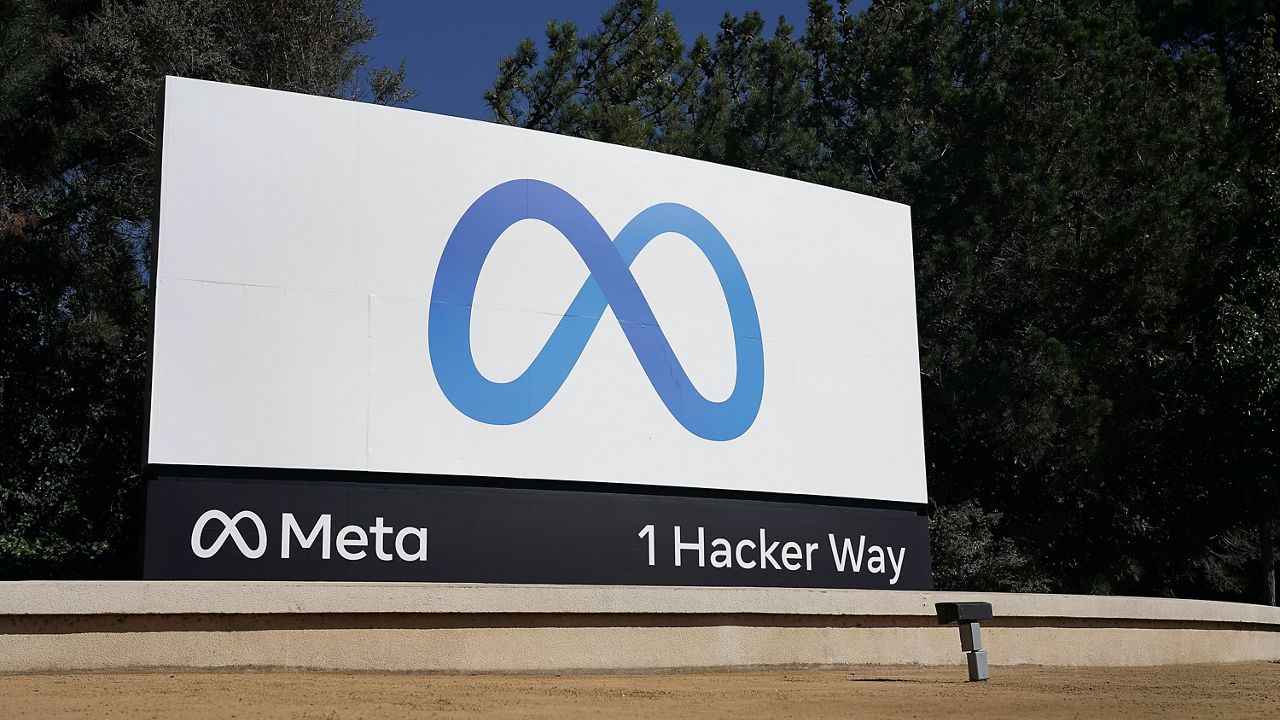
Meta headquarters sign in Menlo Park

Tony Avelar / AP, via Spectrum News. Menlo Park archive.

Dollar notes priced November 3 · settlement expected November 5

Meta priced $15 billion of dollar bonds carrying approximately $990 million in annual coupon payments—the cash interest owed to holders. C&C’s calculation uses the five tranches’ final terms, with coupons from 5.85% to 7.50%. Settlement is expected November 5. Meta has also launched a separate euro offering; it is outside this dollar calculation.

META: $630.74 · +1.56% premarket. 6:54 a.m. EST Wednesday; versus Tuesday close.

Advertising is supporting the expansion. Q3 ad revenue rose 26% to $63.1 billion, with 10% more impressions and a 14% higher average price per ad. Management credits better recommendations and ad performance alongside economic conditions. More computing power can benefit the existing ad business as well as new AI products.

The cash is being spent even faster. Meta generated $32.79 billion of operating cash in Q3 and spent approximately $34.91 billion on capital investment, including finance-lease principal. That left roughly negative $2.12 billion of free cash flow before dividends and other financing uses.

Quarterly interest expense on notes, after capitalized interest, rose to $882 million from $205 million a year earlier. The new bonds add approximately $990 million annually after settlement; that annual figure should not be compared directly with one quarter’s expense.

Meta had approximately $82.4 billion of cash and marketable securities at September’s end. It has room to finance more capacity, but borrowing adds interest bills that arrive regardless of how quickly that investment pays off. Proceeds are for general corporate purposes; the filings do not assign every dollar to AI.

See Meta’s final dollar bond terms →

Duolingo’s user growth accelerates. Cheaper AI reshapes its plans.

Duolingo office building in Pittsburgh

CBS Pittsburgh / KDKA. Pittsburgh office archive.

Q3 results and subscription changes · announced November 3

Duolingo beat Q3 revenue expectations but missed EPS: sales were $309 million versus $303.2 million expected, while diluted EPS was $0.54 versus $0.57. Its Q4 sales outlook of $322 million exceeded the $314.7 million consensus; management expects $84 million of adjusted EBITDA. FactSet estimates, reported by MT Newswires.

DUOL: $147.68 · +15.38% premarket. 6:52 a.m. EST Wednesday; versus Tuesday close.

Daily active users rose 29% to 64.9 million, accelerating from 23% growth in Q2. Duolingo says its Brawl Stars and Eggy Party partnerships brought millions of new and returning learners. Faster growth and the stronger sales outlook help explain the rally despite the EPS miss.

Cheaper AI also changes what it can offer subscribers. Management says Video Call inference costs fell from about 30 cents to well under one cent per call, largely through open-weight models. That covers running the AI model, rather than the service’s full operating cost.

Unlimited Video Call moves into Super, the larger paid tier, and new Max sales stop this month. Existing individual Max subscribers move to a Super family plan at the same price; legacy Max family plans will be addressed in 2027. Management says the feature can reach roughly ten times as many potential subscribers. Max is a single-digit share of paid users and bookings.

More usage still means more total spending. Q4 gross margin is guided to 72%, down 90 basis points sequentially. Q3 expenses also included an $11.4 million user-growth bonus accrual, so AI alone does not explain the earnings pressure.

Paid subscribers rose 14% to 13.1 million, and bookings grew 12%, both trailing daily-user growth. Quarterly free cash flow was $75.3 million, a 24% margin, versus $77.4 million a year earlier. Cheaper calls give Super a stronger feature; selling and renewing more subscriptions is how Duolingo turns that improvement into revenue.

Read Duolingo’s results and subscription changes →

Tonight’s earnings: the numbers to beat.

Qualcomm, Arm, AppLovin and Figma report after the U.S. close today, November 4. These are the revenue and adjusted earnings-per-share estimates going into the releases; the call times below are EST, rather than release times.

Company / periodRevenue est.EPS est.Call · EST
Qualcomm
Q4 FY2026
$10.15B$2.164:45 p.m.
Arm
Q2 FY2027
$1.37B$0.485:00 p.m.
AppLovin
Q3 2026
$2.08B$3.945:00 p.m.
Figma
Q3 2026
$375.9M$0.055:00 p.m.

USD; rounded. EPS is adjusted per U.S.-listed share or ADS. Estimates retrieved November 4; the last consensus change varies by metric. Data provided by Zacks Investment Research, Inc., www.zacksdata.com.

Qualcomm’s December-quarter outlook will show what it expects from phones and businesses beyond handsets. For Arm, royalty growth shows how chip shipments are translating into revenue, while licensing can vary with deal timing. AppLovin’s ad growth and margins will show how much extra revenue reaches profit. At Figma, paid usage and AI spending will help explain the next-quarter outlook.

Forwarded this email? Get Cash & Chaos in your inbox.